
Wings of liberation in 3D: the inventory of our X-Plane 12 missions
When you fly over Utah Beach in X-Plane 12, almost everything you see on the ground, on the water and in the sky was modelled for XP-FlightDeck. Nearly 400 objects for the beach of 6 June 1944 alone, and some 3,000 people. Here is the complete list, piece by piece, for the “Wings of liberation” missions, then for the other History missions, from Kitty Hawk to the Aéropostale.
Scenery placed in X-Plane by the plugin
XP-FlightDeck missions are flown in X-Plane 12 with no scenery to install: when a mission starts, the plugin places the scenery around you itself, object by object, and animates it during the flight. For the three D-Day missions, that means 393 objects around Utah Beach, and 269 for the hedgerows of Sainte-Mère-Église the next day. Some react to what you do: the casemate you are aiming at fires, then burns once the bomb has hit it; the machine-gun nest opens fire as you pass.
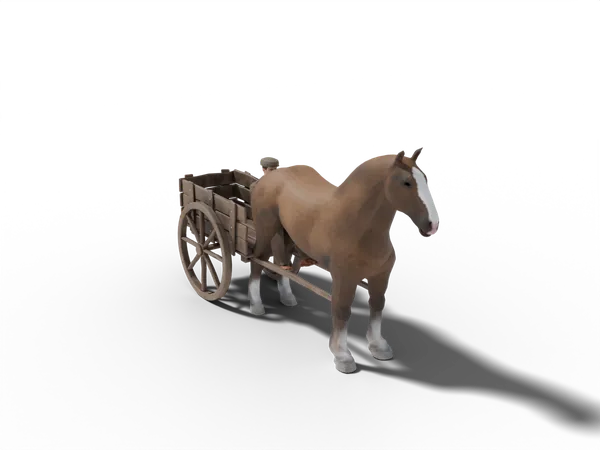
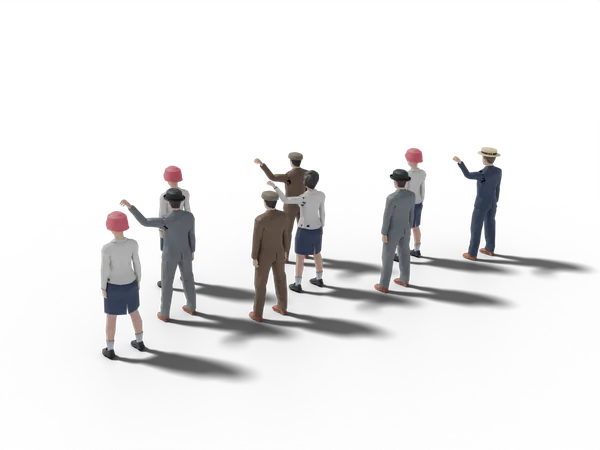
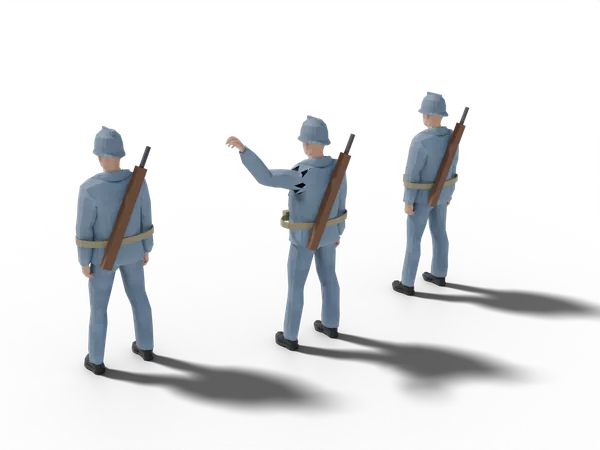
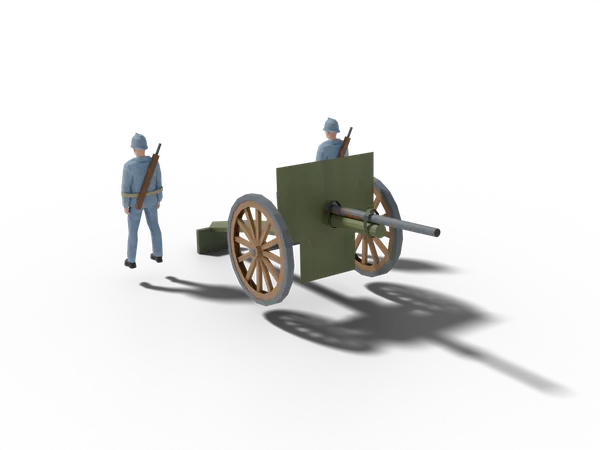
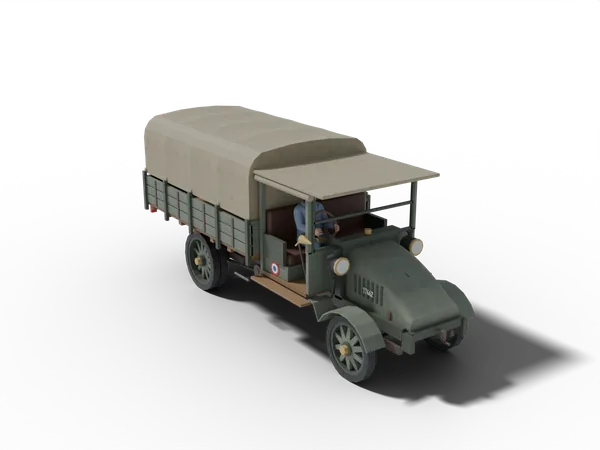
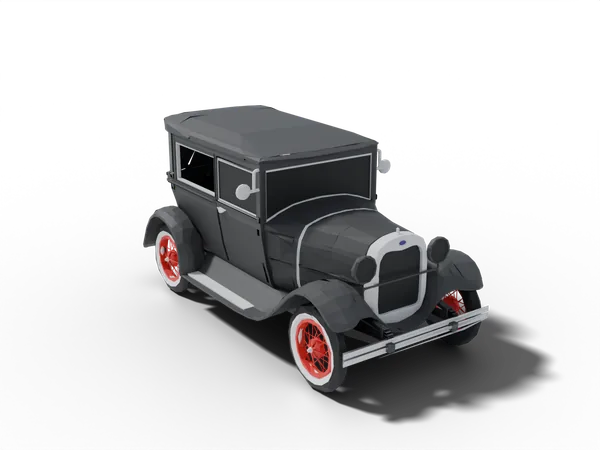
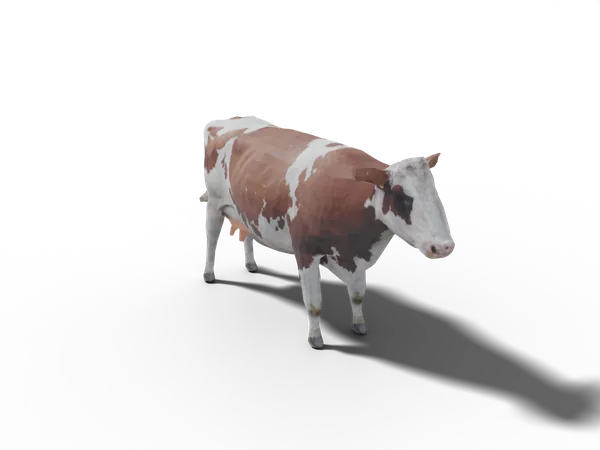
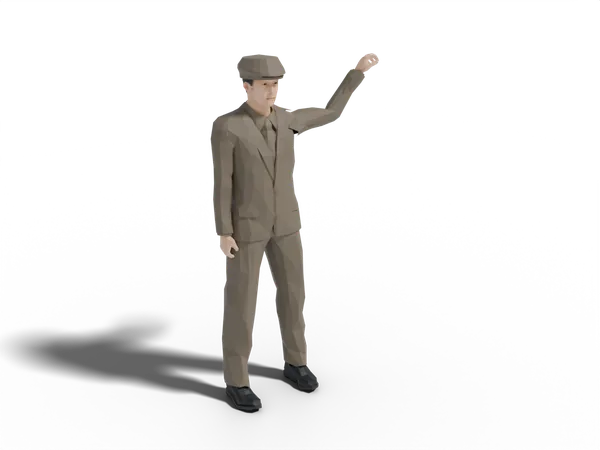
These models come from three sources. The people are made with MakeHuman, an open-source tool for creating human bodies, then dressed and posed in Blender: GIs, German soldiers, poilus, farmers, 1920s crowds. A few pieces come from models published under an open licence (CC BY) on Sketchfab, simplified and retextured for X-Plane: their authors are credited at the bottom of this article. Everything else, from the landing craft to the Berliet lorry, is modelled for XP-FlightDeck from period plans and photographs. Every picture below is rendered straight from the 3D files that ship with the plugin.
The people
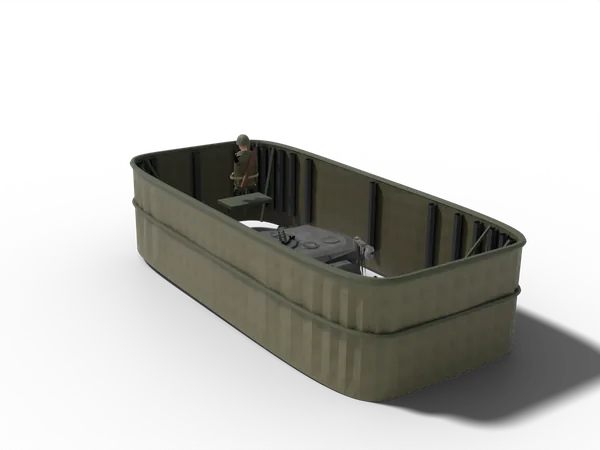
They are what brings the scenery to life, and there are many of them. In each of the 82 landing craft heading for Utah Beach, 36 GIs are packed behind the gunwale, helmets and rifles visible from the aircraft: nearly 3,000 men on the water. Facing them on the dune, 53 groups of three German infantrymen watch the sea, and 15 MG 42 nests wait behind their sandbags. The next day, in the hedgerows, GIs wave as you land the Stinson in their meadow.
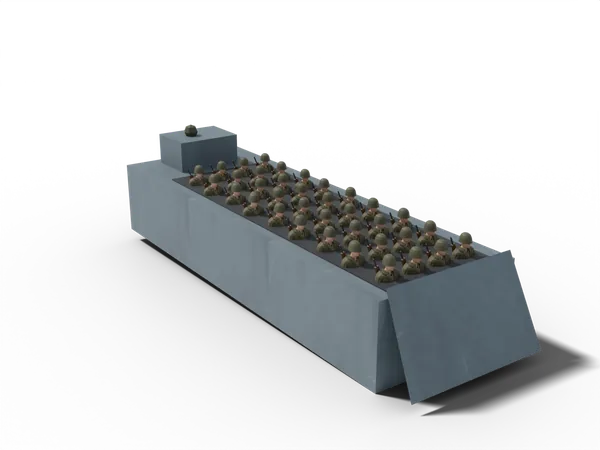
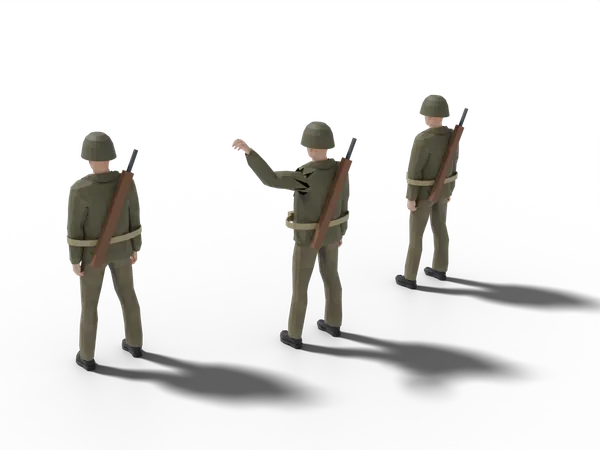
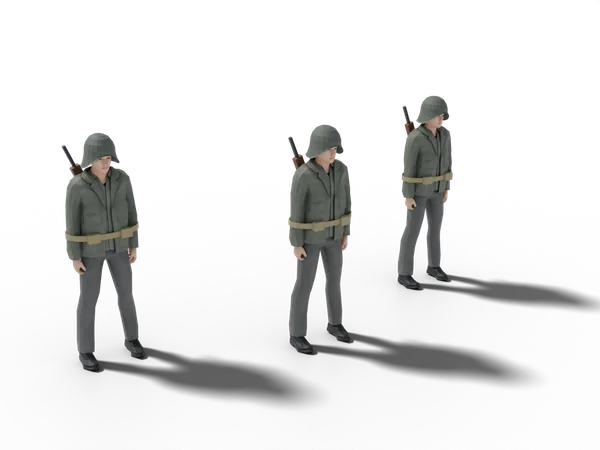
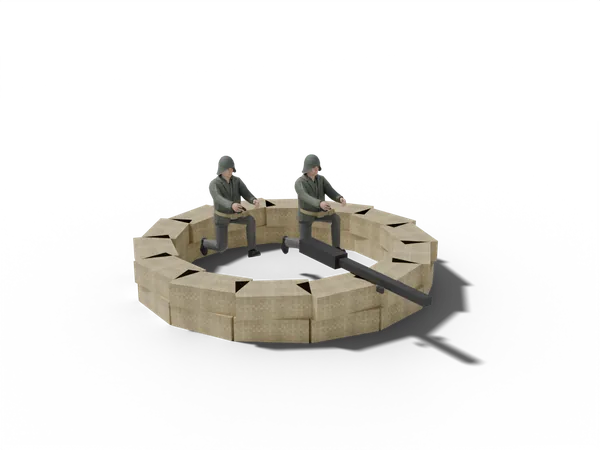
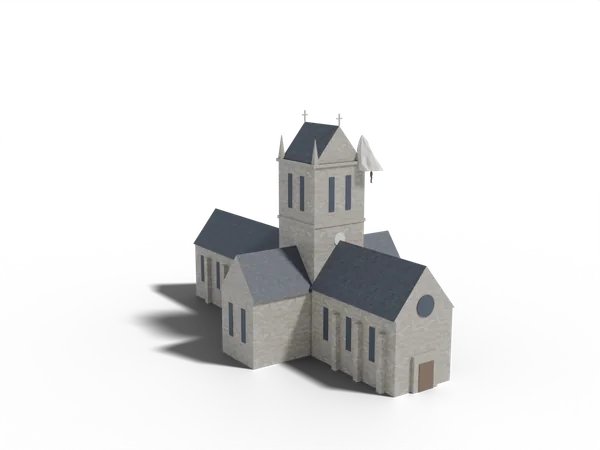
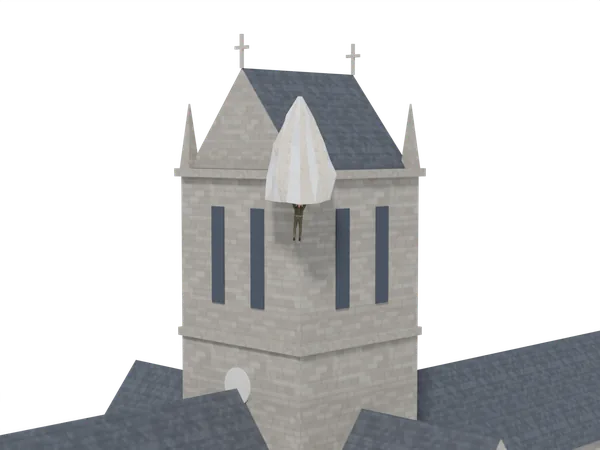
One man has a model of his own: John Steele, a paratrooper of the 505th regiment, whose parachute caught on the church tower of Sainte-Mère-Église on the night of 5 to 6 June 1944. He still hangs from the corner of the tower, on the square side, swaying a little in the wind, like the dummy the town has hung there ever since.
The vehicles
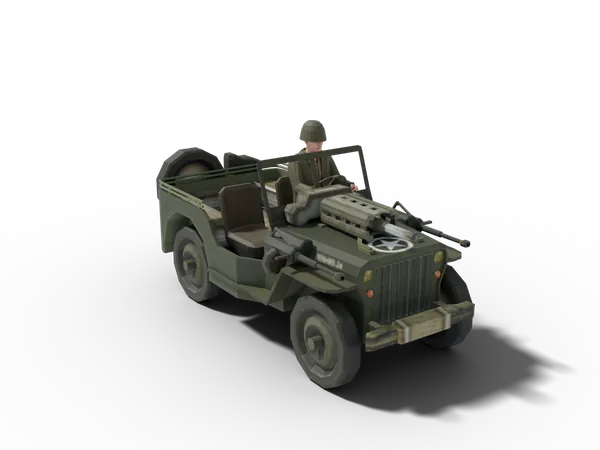
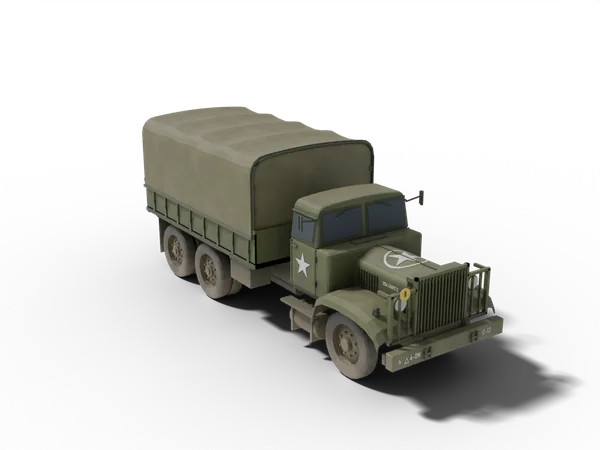
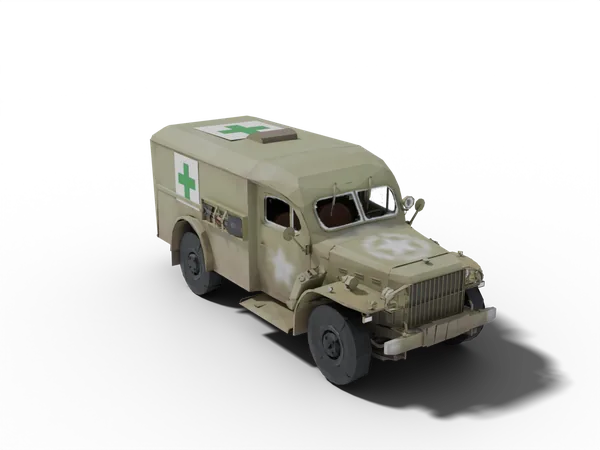
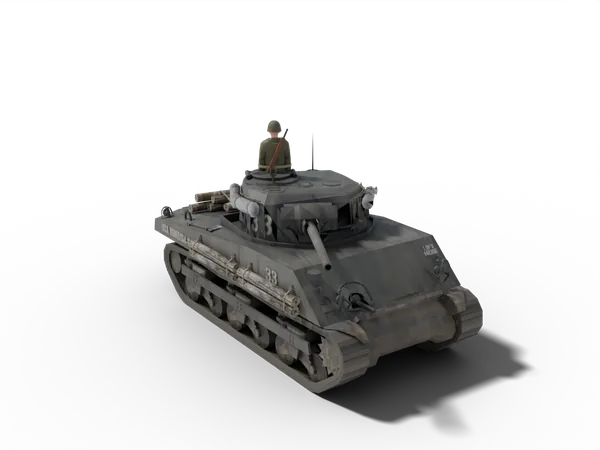
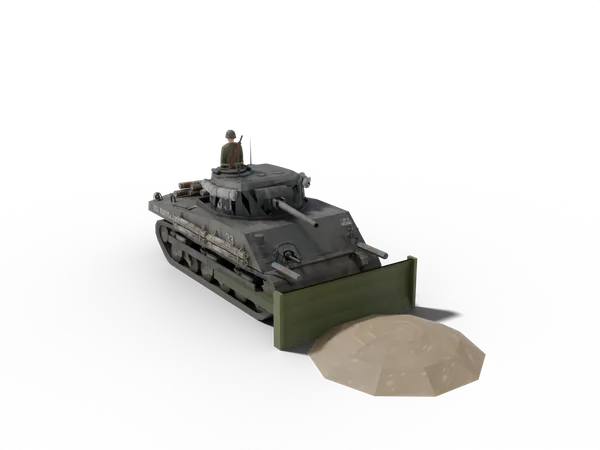
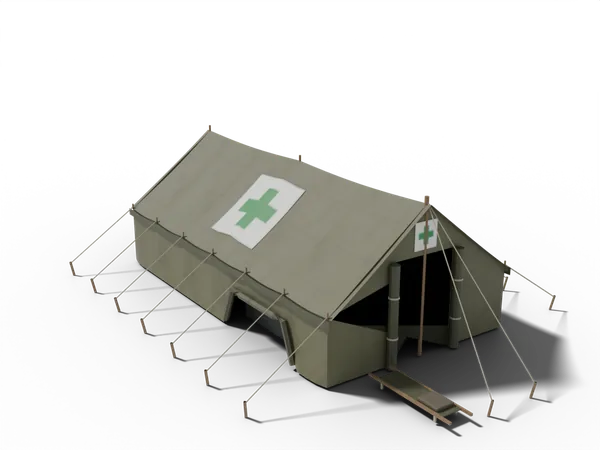
On the beach and in the sunken lanes, the vehicles of the 4th Infantry Division. The jeep, the Sherman and the Dodge ambulance come from Sketchfab models; the GMC truck was modelled for the occasion, for lack of a faithful enough open model. The Sherman tankdozer pushes sand and obstacles aside to open the beach exits.
At sea
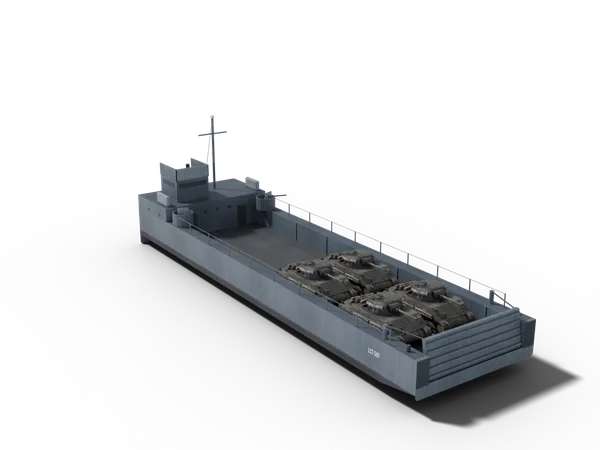
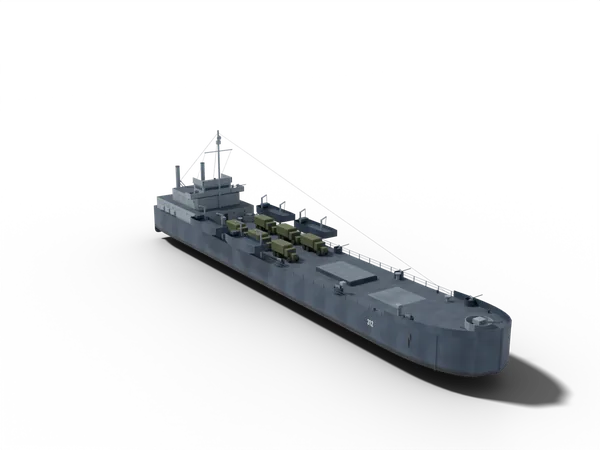
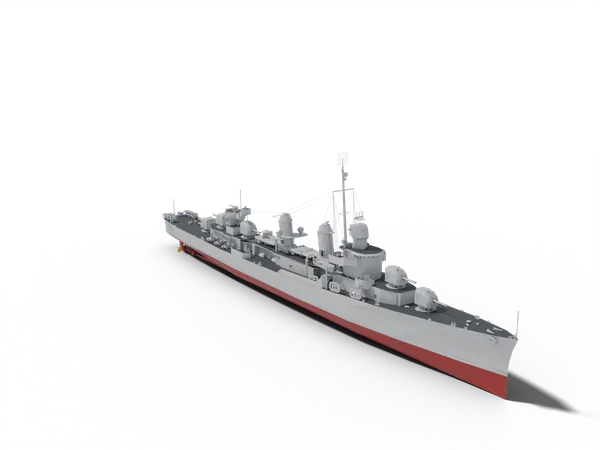
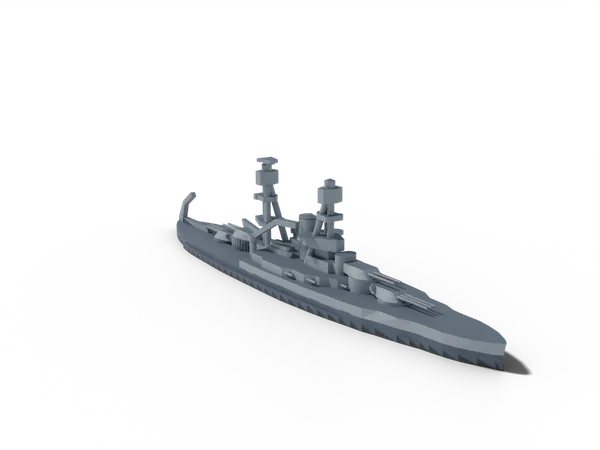
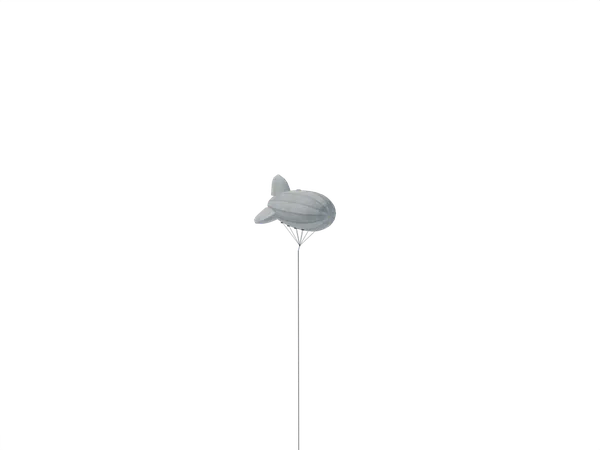
Offshore, the ships of Force U. The DD amphibious Shermans swim ashore behind their raised canvas screens, with only the canvas and the top of the turret showing above the water; the landing craft roll on the swell; the battleship USS Nevada fires a broadside now and then, with a flash and smoke. Above the ships float barrage balloons, those of the 320th battalion, the only African-American combat unit to land on 6 June.
In the sky
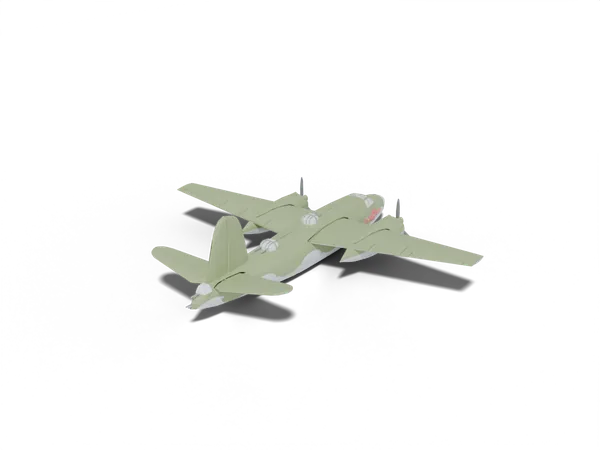
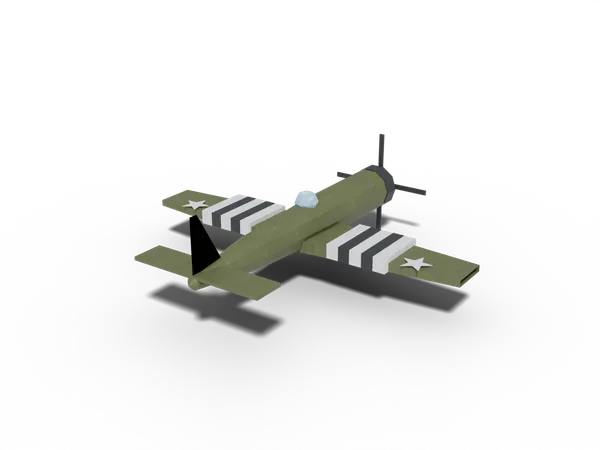
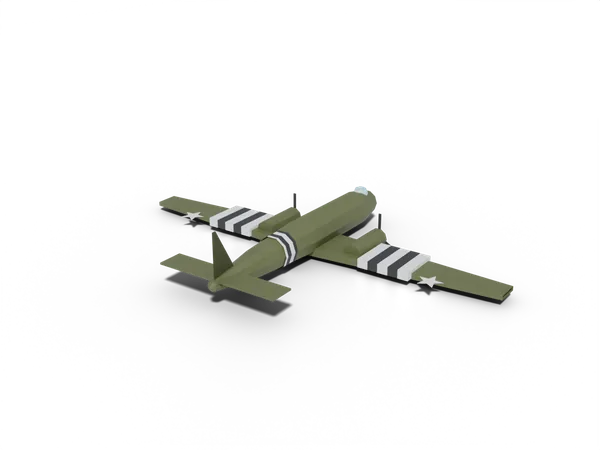
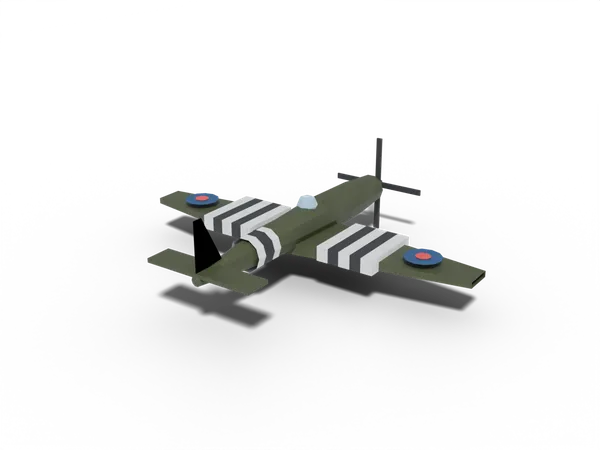
You are not alone up there. The B-26 Marauders head home from their bombing run, P-47s circle over the beaches, the C-47s of the airborne troops cross the coast, and RAF Spitfires cover it all. The fighters and the C-47s wear the black and white invasion stripes painted on wings and fuselage for 6 June; the Marauder is modelled on “Flak-Bait”, a B-26 that flew on D-Day and logged over 200 missions. They fly around you, not against you: none of these missions is a dogfight.
The Atlantic Wall
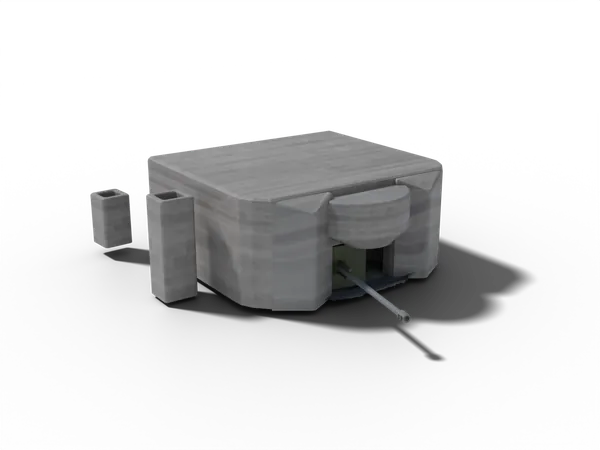
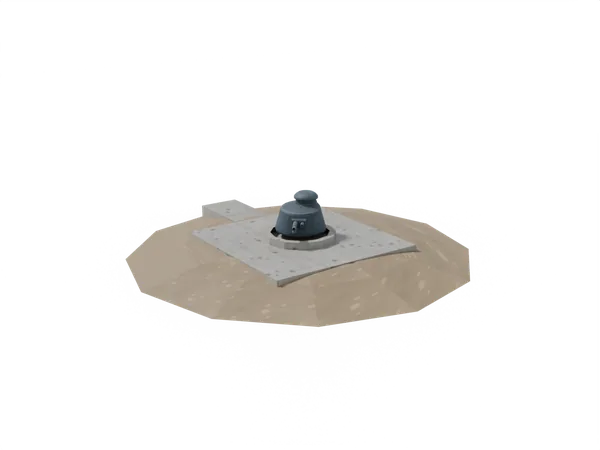
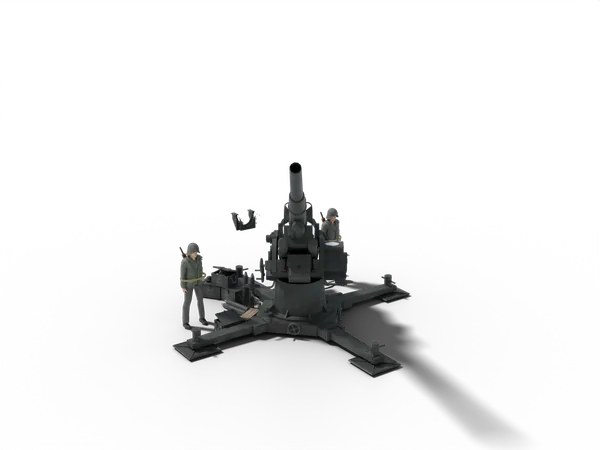
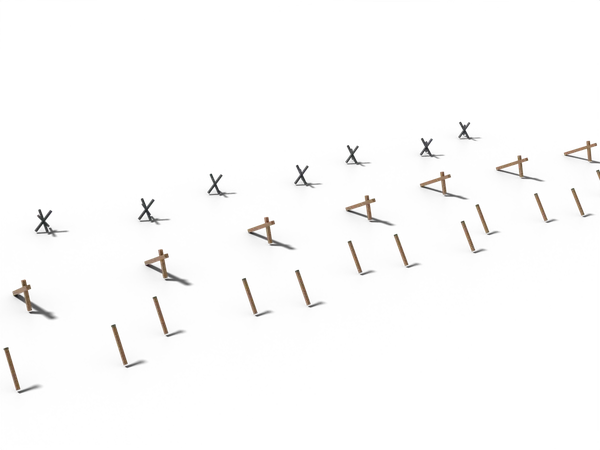
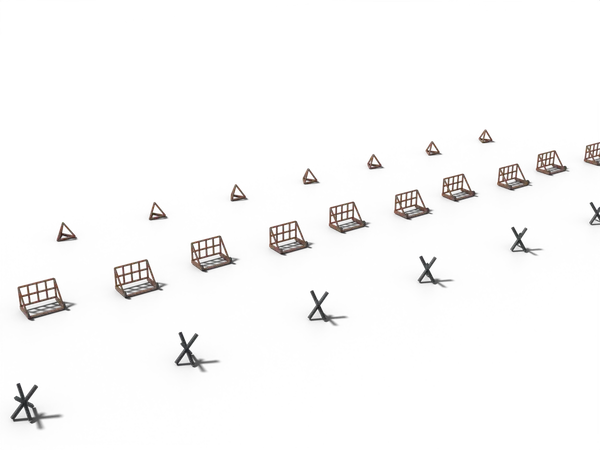
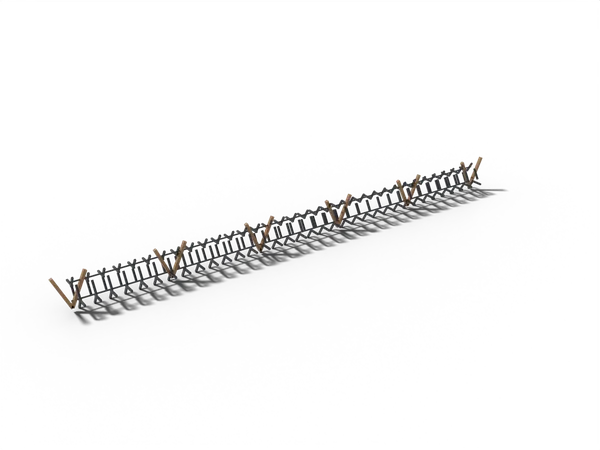
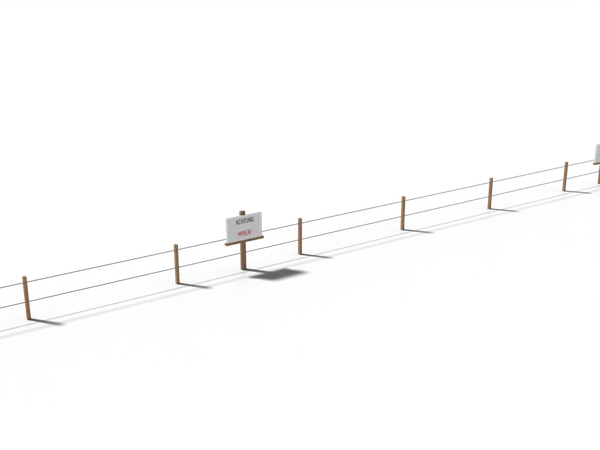
These are the targets and the dangers of the two bombing missions. The casemate comes from a real German bunker, 3D-scanned on the beach at IJmuiden in the Netherlands, enlarged and armed with an 88 mm gun. The Tobruk pit of WN5, under today’s Utah Beach museum, carries its captured Renault FT tank turret, which turns towards the sea. On the sand, the obstacles set on Rommel’s orders, in two bands: at the high-water mark, stakes topped with a Teller mine; lower down, Belgian gates and Czech hedgehogs.

The hedgerows and Sainte-Mère-Église
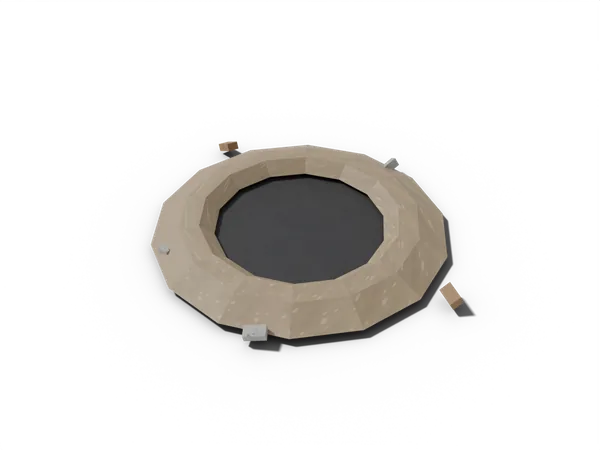
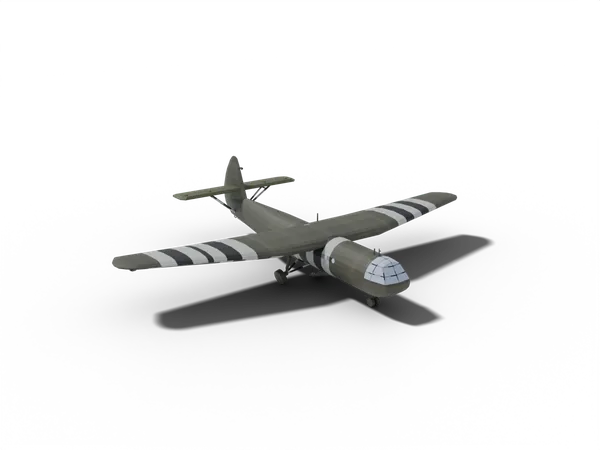
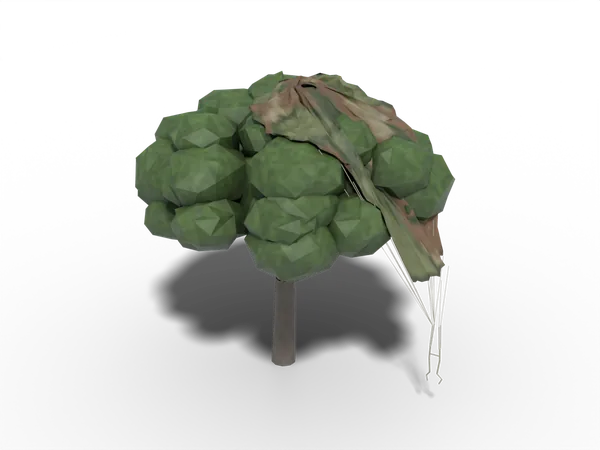
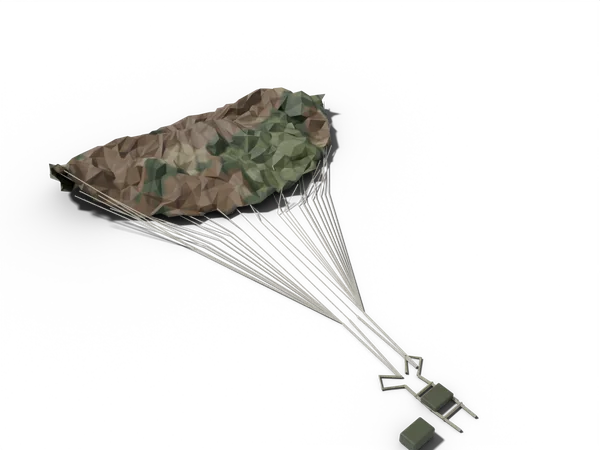
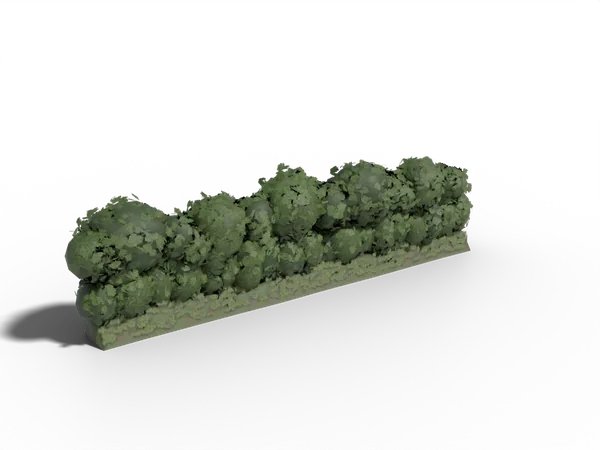
On 7 June, the third mission has you land in a hedgerow meadow. The scenery tells the story of the night just gone: Horsa gliders down in the fields, “Rommel’s asparagus” planted against them, hundreds of parachutes left on the ground or caught in the trees. And the makeshift strip where you must land: hedges on their banks, cloth panels at the corners, a big white T at the threshold.
The other History missions
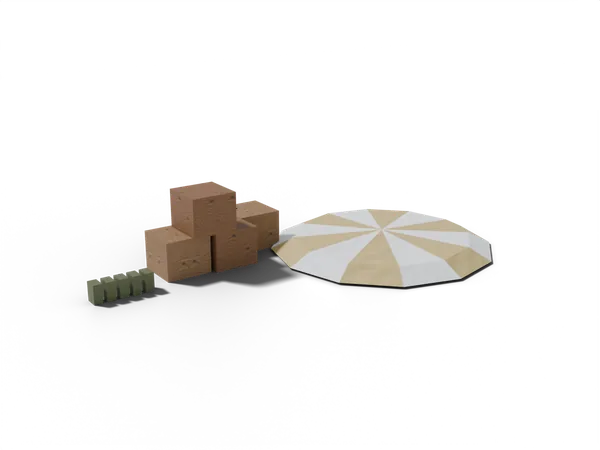
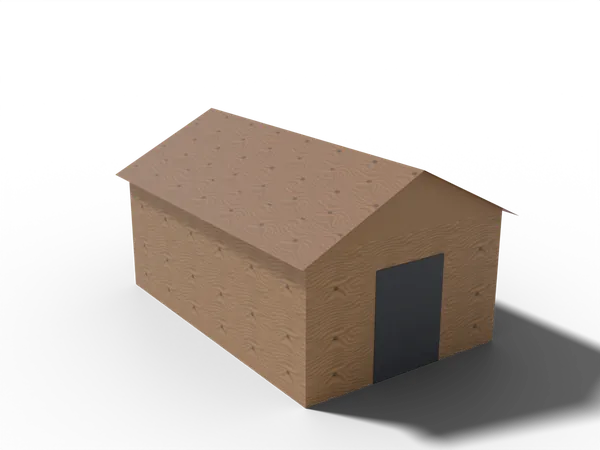
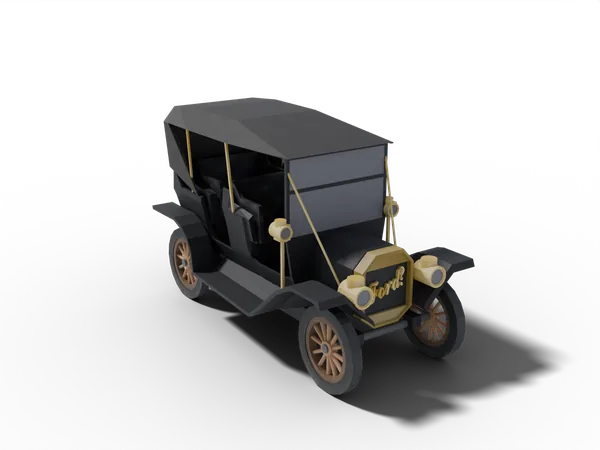
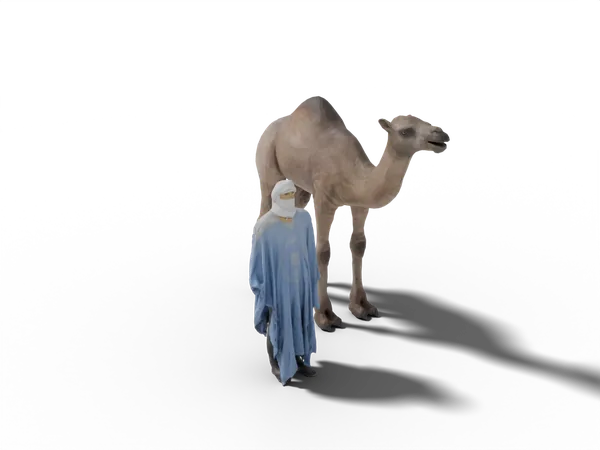
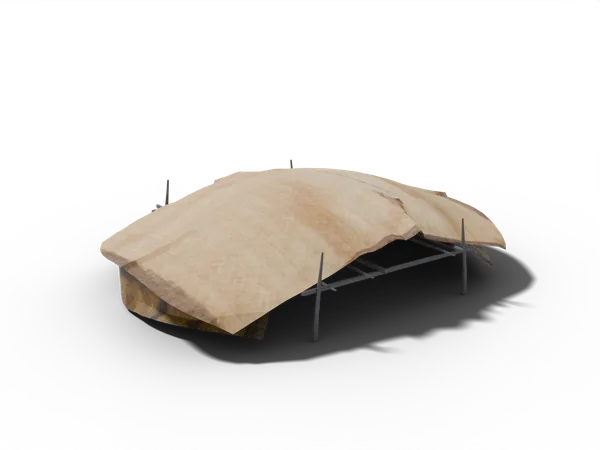
The two other sagas of the History universe have their own people and vehicles, one set per period. At Kitty Hawk in 1903, the Wright brothers’ wooden shed and the few witnesses from the lifesaving station. At Verdun in 1916, the poilus, the French 75 and the Berliet lorry of the Voie sacrée. For Blériot in 1909 and for Lindbergh at Le Bourget in 1927, the crowd in boaters and long dresses, and the Model Ts. In the Aéropostale’s Sahara, the camels and the nomad tent at the stop. And in 1932, in the Irish meadow at Culmore, the cows Amelia Earhart startles as she lands.
What is accurate, what is simplified
Simulator scenery is seen from an aircraft, at 500 ft and 100 kt: each model is designed to be recognised from above at a glance, and to keep X-Plane smooth with hundreds of objects on screen. Shapes, colours, markings and sizes follow the sources; details you cannot see from the cockpit are simplified. The number of landing craft, ships and defenders is chosen to convey how crowded the beach was, not to give an exact count.
To see these models in place, launch D-Day: Utah Beach at dawn, the saga’s Discovery episode. And to find out how the story of the three missions was written, read Wings of liberation.
The missions in this article
- D-Day: Utah Beach at dawn — Dawn, 6 June 1944: a single bomb, a bunker on the dune, and the landing craft closing in on Utah Beach.
- D-Day: the three casemates — Three casemates on the dune, three bombs, ten minutes before H-hour: the B-26s' run over Utah Beach.
- Normandy, June 1944 — The day after D-Day, a small fabric aircraft slips between the hedgerows to carry a decisive message.
- Kitty Hawk, 17 December 1903 — The icy North Carolina wind, a dune, and four little hops that changed the world. Fly history's first flight again.
- Blériot crosses the Channel — At dawn, without a compass, in a fabric monoplane: cross the Channel and watch the white cliffs of Dover rise out of the haze.
- Verdun, 1916: reconnaissance — Above the hell of Verdun, a fragile aircraft photographs Fort Douaumont and Fort Vaux, under fire from the trenches.
- The Aéropostale mail — The Sahara, the sand wind, night falling, and the mail that must get through. In the wake of Mermoz and Saint-Exupéry.
- Lindbergh reaches Paris — Thirty-three hours alone over the Atlantic, then the lights of Paris, the Eiffel Tower, and a huge crowd at Le Bourget.
- Amelia Earhart, alone across the Atlantic — Ice, a fuel leak, a dead altimeter: alone above the ocean, Amelia Earhart looks for the first meadow in Ireland.
Sources
- Wikipedia — Utah Beach
- Wikipedia — LCVP (Higgins boat)
- Wikipedia — DD tank
- Wikipedia — USS Nevada (BB-36)
- Wikipedia — Flak-Bait
- Wikipedia — 320th Barrage Balloon Battalion
- Wikipedia — Rommelspargel
- Wikipedia — John Steele (soldier)
- MakeHuman — CC0
- « Sherman M4A3 Green Set E », Ford mondeo — CC BY 4.0
- « Jeep Willys », Willy Decarpentrie — CC BY 4.0
- « German WWII Bunker Ijmuiden Beach », ustoopia — CC BY 4.0
- « FLAK 88 », jamiecritch23 — CC BY 4.0
- « FT-17 tank », Ceramic soda — CC BY 4.0
- « Airspeed Horsa », 42manako — CC BY 4.0
- « Martin B-26 Marauder “Flak-Bait” », Spark_Customs — CC BY 4.0
- « Ford Model T by Rob Mikelsons », Libau Media — CC BY 4.0
- « Old wooden cart (revamp) », NoodlePoodle — CC BY 4.0
- « HORSE [DRAFT HORSE] », BlueMesh — CC BY 4.0
- « Camel », local.yany — CC BY 4.0
- « Dodge WC54 », Ford mondeo — CC BY 4.0
- « Fletcher », JZHU — CC BY 4.0
- « USS Nevada - Model for 1/4000 printing », KTKloss — CC BY 4.0
- « Cow », Josué Boisvert — CC BY 4.0
- « Ford Model A downloadable », Libau Media — CC BY 4.0
- « Tuareg Tent », dario scaramuzza — CC BY 4.0
- « “Tekamist” men’s attire and “Tagulemust”- turban », Wirtualne Muzea Małopolski — CC0